

Key Takeaways
- A thorough tenant screening process helps Rochester landlords reduce the risk of late payments, property damage, legal disputes, and costly turnover.
- Define clear, written qualification criteria and apply them consistently to ensure fair, compliant, and objective leasing decisions.
- Verify income, review credit responsibly, check rental history, and confirm references to gain a complete picture of each applicant’s reliability.
- Consistent documentation and legally compliant screening practices protect both your investment and your rental business.
A rental property can look strong on paper, but the resident you place inside it often determines how profitable and manageable that investment becomes. For landlords in Rochester, NY, tenant screening is not simply a formality before handing over the keys. It is a risk-control process.
Done well, it helps you identify applicants who are financially prepared, respectful of lease terms, and likely to care for the property. Done casually, it can lead to late payments, property damage, complaints, legal disputes, and costly turnover.
Here is a practical guide from Yourway Properties, Inc. to building a tenant screening process that protects your rental while keeping your leasing decisions fair and consistent.
Know What You Are Screening For
Before accepting applications, define what a qualified tenant looks like for your property. Strong screening procedures is a vital step in preparing your property to rent
Strong applicants typically show:
- Verifiable income.
- Stable employment or reliable income sources.
- Positive rental history.
- Responsible credit behavior.
- Accurate application information.
- Willingness to follow lease terms.

The goal is not to find a perfect applicant. The goal is to find someone who can afford the rent, communicate honestly, and meet the obligations of the lease.
Having written criteria also helps you apply the same standards to every applicant, which is essential for fair housing compliance.
Start Screening Before the Application
Pre-screening saves time for both landlords and prospective renters in Rochester.
Your listing should clearly state basic rental terms, including rent amount, deposit expectations, pet policies, smoking rules, occupancy limits, and any key requirements. When prospects contact you, ask practical questions before scheduling a showing.
For example:
- “When are you looking to move?”
- “How many people will occupy the home?”
- “Do you have pets?”
- “Are you prepared to complete a rental application and screening process?”
These questions help identify whether the property is a realistic match before either party invests more time.
Use a Complete Rental Application
A professional application is the foundation of a reliable tenant-screening process.
It should request the applicant’s contact details, current address, employment information, income documentation, rental history, landlord references, and consent to run screening reports.
Every adult who will live in the rental should complete an application. This gives you a fuller view of household qualifications and ensures that each adult resident is evaluated under the same process.

Incomplete or inconsistent applications should be reviewed carefully. Missing addresses, vague employment information, or reluctance to provide references may require additional verification.
Confirm Income, But Look Beyond the Number
Income verification helps determine whether the applicant can reasonably afford the rent.
Many landlords use an income-to-rent benchmark, such as monthly income being several times the rent amount. However, income alone does not tell the full story. A high-earning applicant with heavy debt, unstable work, or a history of missed housing payments may still present risk.
Request reliable documentation such as pay stubs, employment letters, bank statements, or tax records for self-employed applicants.
When possible, contact the employer directly using independently verified business information rather than relying only on a phone number provided by the applicant.
Review Credit With Context
A credit report can reveal how an applicant handles financial obligations.
Look for repeated late payments, collections, unpaid utility accounts, large outstanding debts, bankruptcies, and prior housing-related balances. These patterns may indicate whether rent is likely to be paid consistently.
At the same time, credit should be evaluated fairly. A single past financial hardship may not carry the same weight as a recent pattern of unpaid obligations. The most useful question is whether the applicant’s recent behavior shows stability and responsibility.
Speak With Prior Landlords
Rental history often gives landlords the clearest picture of what to expect.
Ask previous landlords whether the applicant paid on time, followed lease rules, reported maintenance concerns appropriately, and left the property in good condition.

It is wise to contact any previous landlords as well as the current landlord when possible, since a current landlord may not always provide the most objective reference. If you want to attract and long-term tenants, screening techniques like these are invaluable.
To reduce the risk of fake references, verify ownership or management information independently through public records, company websites, or other reliable sources when appropriate.
Run Background Checks Lawfully
Background screening can be part of a responsible tenant evaluation, but it must be handled carefully.
Landlords should comply with federal, New York State, and local fair housing requirements when reviewing criminal history or eviction records. Screening criteria should be relevant, consistent, and applied equally to all applicants.
Avoid blanket assumptions. Instead, follow legal procedures and consider the nature, timing, and relevance of any record in accordance with applicable law.
Stay Consistent From One Applicant to the Next
Consistency is one of the most important parts of tenant screening.
Landlords should avoid making exceptions based on instinct, pressure, or personal impressions. A consistent process reduces FHA violations and helps ensure that every applicant is treated fairly.
Use the same application form, the same screening standards, and the same verification steps for each applicant. This creates a more defensible and professional leasing process.
Keep Documentation of Your Decisions
After reviewing the application, income, rental history, credit, and background information, make a decision based on your written criteria.
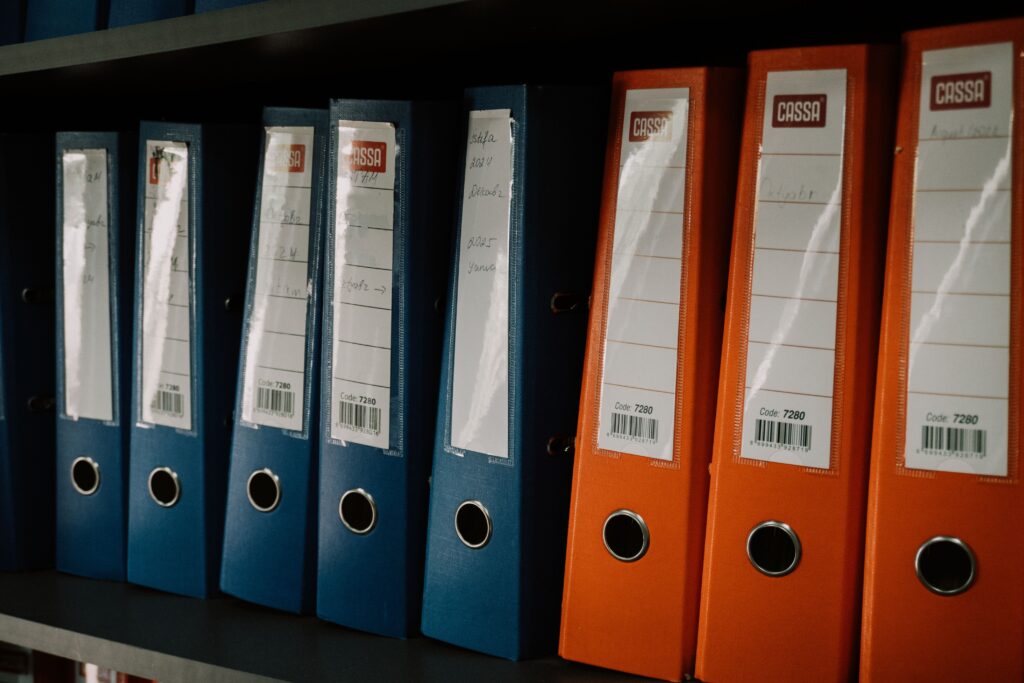
If you approve the applicant, provide clear next steps for signing the lease, paying the deposit, and preparing for move-in.
If you deny an applicant, communicate the decision professionally and keep records of the reason. Good documentation protects you if questions arise later.
The Bottom Line
Effective tenant screening is one of the best ways Rochester landlords can protect their rental properties.
By verifying income, reviewing credit responsibly, checking rental history, confirming references, and following fair housing rules, property owners can reduce risk before the lease begins.
The strongest screening process is thorough, consistent, and legally compliant. If you want to avoid the time, uncertainty, and legal complexity of screening tenants on your own, partner with an experienced property management team.
Yourway Properties, Inc. can market your property, screen applicants, prepare compliant leases, and help you place reliable residents with confidence. Contact us today.