
Key Takeaways:
- Respond to maintenance concerns quickly and keep owners and renters informed about what happens next.
- Review local rental conditions before changing rent so pricing decisions reflect the property and current market.
- Put lease terms, property policies, and communication expectations in writing and apply them consistently.
- Track renter feedback and recurring maintenance concerns to identify practical improvements that can protect the property and strengthen retention.
- Consider professional property management when day-to-day communication, maintenance coordination, and resident concerns become difficult to manage consistently.
In today’s competitive rental market, retaining tenants is the key to success. However, tenant satisfaction is often overlooked as a secondary concern, overshadowed by financial metrics and property maintenance.
Happy tenants are the backbone of a thriving rental business. When renters feel valued and respected, they are more likely to renew their leases, take better care of the property, and even refer friends or family. This reduces turnover costs, minimizes vacancies, and fosters a more positive landlord reputation.
Beyond the financial benefits, keeping tenants happy can smooth out the rental process. A satisfied tenant is more likely to communicate openly, address issues promptly, and contribute to a harmonious living environment.
In contrast, unhappy tenants can lead to disputes, property damage, and a toxic living atmosphere. Want to learn more? Then keep reading! In this guide, the team at Yourway Properties, Inc. will go over the top tips for keeping tenants happy.
Top Strategies for Keeping Tenants Happy
By prioritizing tenant satisfaction, landlords in Rochester secure long-term stability, creating a win-win scenario for everyone involved. But how does one make sure tenants are happy year-round?

1. Prioritize Open Communication
Clear and transparent communication is the foundation of a positive landlord-tenant relationship. Prioritizing good communication from the start will attract quality tenents who are more likely to renew and make every other strategy in this article easier.
Be transparent with tenants and respond promptly to inquiries and requests. Even if the answer is “we’re looking into it,” acknowledging concerns shows tenants they are heard.
Moreover, regular communication, such as check-in calls, quarterly newsletters, or surveys, can also make tenants feel more connected to the property and its management team.
2. Address Maintenance Issues Promptly
Nothing frustrates tenants more than slow responses, or worse: they are flatly ignored.
Establish a clear process for issue response and rectification, and set realistic timelines for repairs. Organized and prompt maintenance can go a long way in improving tenant satisfaction.
For urgent problems like leaks or heating failures, aim to respond within a couple of hours and complete repairs within 48–72 hours. For other, non-major problems, typically a 24-hour turnaround for a response should suffice.
3. Be Fair and Transparent About Pricing
While rent increases are sometimes necessary, they should be reasonable and justified. Conduct market research to ensure your rental rates align with similar properties in the area. If an increase is unavoidable, provide ample notice (at least 30-60 days) and explain the reasoning. Being transparent about pricing builds trust and reduces tenant frustration.
4. Respect Tenant Privacy
Tenants value their privacy. Entering the property unannounced, going through tenants’ mail or belongings, or simply disrupting their peace can make them reconsider living on your property and violates the implied covenant of quiet enjoyment.
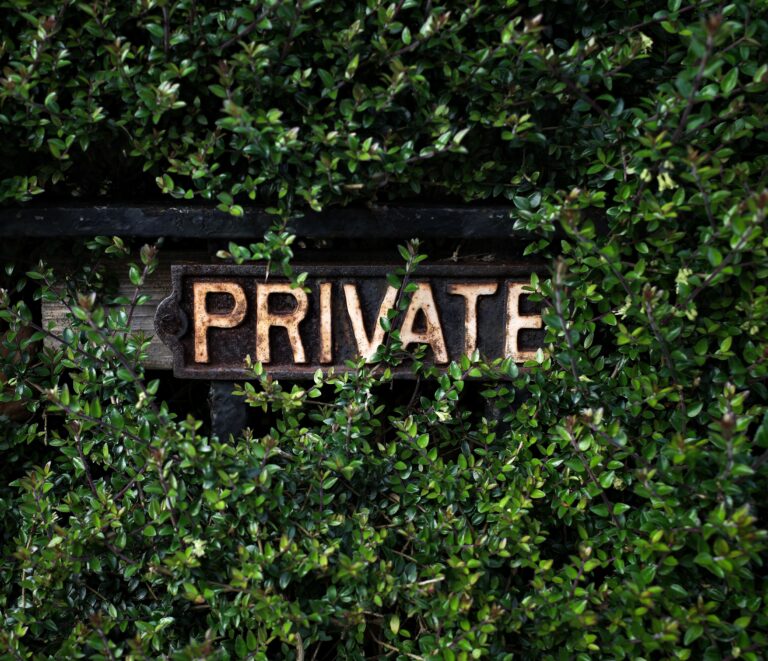
So, it’s important to always give proper notice (typically 24–48 hours) before entering the property, except in emergencies, as well as avoid unnecessary inspections or surprise visits, as these can feel intrusive. If you need to show the property to prospective tenants, coordinate schedules that work for the current tenant.
5. Foster a Sense of Community
A strong community makes tenants feel more attached to their living space and, thus, more likely to renew their lease. If you own a multi-family rental, consider organizing social events like potlucks, holiday parties, or fitness classes, and take care of shared spaces, such as a garden or lounge area, where tenants can interact.
If you own a single-family home, you can still foster a sense of community by introducing tenants to neighbors or letting them know of upcoming community attractions. Even small gestures, like greeting tenants by name or recognizing milestones (e.g., birthdays or lease anniversaries), can go a long way in building rapport.
6. Be Flexible with Lease Terms
Where possible, offer flexible lease options to accommodate tenants’ changing needs. For example:
- Permitting subletting or roommate changes.
- Offering month-to-month or multi-year leases, if necessary.
- Offering short-term lease extensions for tenants in transition.
- Allowing pets (with reasonable restrictions).

Flexibility shows that you respect tenants as individuals, not just as sources of income. This can help you build a more positive reputation as a landlord, as well as create long-lasting relationships with former and current tenants.
7. Provide Clear and Fair Policies
Misunderstandings regarding policies are one of the most common sources of landlord-tenant disputes. That’s why it’s important to ensure that lease agreements, house rules, and policies are easy to understand and consistently enforced.
When policies are fair and transparent and uniformly enforced, tenants are more likely to comply willingly, and you are less liable for Fair Housing Act violations.
8. Reward Loyalty
If you have great tenants, let them know! They will appreciate it and be more likely to renew. Additionally, you can recognize and reward tenants who renew their leases or consistently pay rent on time with small tokens of appreciation such as rent discounts or gift cards. These gestures show appreciation and encourage tenant retention.
9. Handle Conflicts with Empathy
Disputes, whether between tenants or with you, the landlord, are an inevitable aspect of managing a rental property. It’s important to approach conflicts with empathy and patience, focusing on finding mutually beneficial solutions.

Mediate disputes fairly, and avoid taking sides unless necessary. Document all interactions to ensure transparency and accountability. Effective conflict resolution can go a long way in retaining tenants for the long haul.
10. Solicit and Act on Feedback
If you want to know ways you can increase tenant satisfaction, then don’t be afraid to ask tenants for feedback. Sending quarterly surveys or keeping suggestion boxes in easily accessible areas can be a great way to start the conversation.
Once you get tenants’ feedback, show them you take their input seriously by implementing changes where possible. For example, if multiple tenants request better recycling options, invest in additional bins. Demonstrating that you listen and adapt builds trust and improves tenant satisfaction.
Bottom Line
If you want to thrive in the rental industry, you need to start caring about tenant satisfaction. This goes beyond just avoiding complaints; it’s a matter of building a community where tenants feel respected, valued, and secure.
By prioritizing communication, maintenance, fairness, and empathy, you can create an environment where tenants thrive. Happy tenants lead to lower turnover, reduced costs, and a stronger reputation, making tenant satisfaction a strategic investment rather than an afterthought.
Need help enhancing tenant satisfaction? Contact Yourway Properties, Inc. today!
Frequently Asked Questions About Keeping Renters Happy
How Does Tenant Satisfaction Affect Rental Property Performance?
Tenant satisfaction can influence several operating factors that matter to rental property owners, including renewals, turnover, maintenance reporting, and communication. A renter who understands how to report an issue and receives a timely response may be more likely to address problems before they become larger concerns.
Retention should be viewed alongside rent levels, operating expenses, property condition, and the overall performance of the investment.
How Should Rochester Landlords Handle Rent Increases?
Rochester landlords should evaluate comparable rental properties, the condition and features of the property, operating costs, and applicable legal requirements before setting a new rent.
New York law has specific notice requirements when a landlord increases rent by 5% or more at renewal or chooses not to renew, with the required notice period depending in part on how long the occupant has lived in the property.
Additional rules may apply depending on the property and whether Good Cause Eviction or another form of regulation applies. Owners should review current requirements and consult a qualified New York attorney when legal questions arise.
What Should Landlords Do When A Renter Reports A Maintenance Problem?
Owners should have a defined process for receiving, documenting, prioritizing, and following up on maintenance requests. Clear communication is also important: acknowledge the request, explain the next step when possible, and document work performed. Specific repair obligations and response requirements can vary by property and applicable law, so owners should avoid relying on a one-size-fits-all timeline.
What Should Rochester Landlords Know About Property Entry?
New York guidance calls for reasonable prior notice and a reasonable time for non-emergency entry, while emergencies such as a fire or water leak can allow entry without prior notice.
Instead of relying on a blanket 24- or 48-hour rule, owners should establish an entry procedure that accounts for the purpose of the visit, applicable law, the lease, and proper documentation. When uncertain, a qualified New York legal professional can help clarify the requirements.
How Can Landlords Use Renter Feedback Without Creating Management Problems?
Owners can make feedback more useful by collecting it through a consistent process and separating individual preferences from recurring property-management issues. For example, repeated reports about the same building feature, communication problem, or maintenance concern may reveal an operational issue worth addressing.
Feedback should inform management decisions rather than create informal promises or inconsistent exceptions.
Can Yourway Properties, Inc. Help With Tenant Retention?
Yourway Properties, Inc. provides residential property management in the Rochester area and offers services that include maintenance, contracting, remodeling, cleaning, resident screening, and marketing.