Key Takeaways:
- Start the turnover process before move-out: Confirm renewal plans early so you have time to schedule inspections, repairs, cleaning, and marketing without unnecessary gaps between tenants.
- Use one repeatable rent-ready checklist: Document the condition of each property, assign needed work, and verify completion before the home is shown or leased again.
- Repair safety and functionality issues first: Address plumbing, electrical, heating and cooling, appliances, stairs, locks, and life-safety equipment before spending money on cosmetic improvements.
- Budget improvements according to the property: Prioritize updates that improve condition, functionality, and presentation rather than automatically taking on large renovations between every tenancy.
- Account for Rochester requirements during turnover: If the property is within the City of Rochester, review applicable Certificate of Occupancy, Building Owner Registry, lead-safety, and property-maintenance requirements as part of the rent-ready process.
A tenant moving out of your property is not something you look forward to as a landlord. An empty rental not only means temporary loss of income but ongoing costs (mortgage, insurance, and property taxes) that you must pay out of pocket. If the property isn’t in good condition to rent immediately, you also have the cost of getting it ready.
This entails a series of steps to ensure that the rental makes the right impression on potential renters. Depending on the duration of the last tenancy, this can mean simply applying a coat of fresh paint to the unit or doing a major renovation. How quickly you complete this process affects how long your property sits empty, potentially hurting your revenue.
Landlords with a system that helps them stay organized when preparing their rental property for the next tenant are better able to absorb the shock of tenant move-outs. This guide will help you achieve the same results.
Below are practical tips from Yourway Properties, Inc. that show you how to prepare your rental property quickly and also attract quality renters.
How to Get Your Property Rent-ready
To avoid surprises at the end of a tenant’s lease, initiate discussions about lease renewal early. Do this 60 – 90 days before the lease end date. Send them a reminder of the impending date with an offer for a new lease, along with your proposed terms.

If the tenant was undecided about whether to renew the lease or move out, this will force them to make a decision. If they plan to move out, you will have advance notice and can start planning early.
1. Marketing the Property Before it Becomes Vacant
Finding a responsible tenant in New York can take longer than you anticipate. This is why you need to begin early. Start advertising the property 4-6 weeks before your current tenant moves out (check your local housing laws for an exact timeline).
Make sure to inform prospective renters that the property is not yet vacant. When scheduling showings, work with your tenant to find a time that is convenient for all parties. Read our guide on property advertisement for more information.
2. Conduct a Thorough Walkthrough of The Unit
On the tenant’s last day in the property, conduct a move-out inspection with them. This serves an important purpose.
Beyond helping you determine whether the tenant has damaged your property, it lets you assess the amount of work to be done and also draw up a checklist of tasks to be completed before the next tenant moves in. The checklist makes it easier to cost the repairs and plan effectively.
3. Check all Major Systems for Functionality
Ideally, you should hire an expert for this part, but with sufficient skill there are some tasks you can do on your own.

Critical systems and features that must be checked include: plumbing fixtures, drainage systems, water pressure, electrical outlets, light switches, water heater, ACs, ceiling fans, air filters, vents, kitchen appliances, laundry appliances, garage doors, smoke/carbon monoxide detectors, fire alarms, handrails, staircases, door and window hinges, exterior lighting, and much more.
A detailed checklist can accelerate this entire process, improving speed and thoroughness without compromising quality.
4. Fix or Replace Damaged Items
Just as little problems can impair the value of your rental, small repairs can greatly enhance it. Based on the result of the previous step, carry out the needed repairs in the property.
If an item is badly damaged or it has reached the end of its service life, do not try to save money by patching it up; just replace it. A rental with all its features in good condition is more likely to attract long-term renters.
5. Undertake Smart Cost-Effective Upgrades
To improve the property’s appeal and its market value, consider doing some upgrades and renovations. These need not be expensive projects. But they must be high-impact additions that are highly visible and have a marked effect on the home’s functionality and appeal.
This can include things like a new coat of paint, a new or repainted entryway, refaced cabinets, and updated door, plumbing, or cabinet hardware. Other low-cost improvements to consider include smart storage solutions and updated interior and exterior lighting.
6. Hire Professional Cleaners
If your goal is to get the property rent-ready in record time, it makes more sense to hire a professional cleaner than to clean the rental yourself.

But there are other great reasons to hire a professional cleaner. They know the places where bad odors, dust, and bacteria hide in your property.
They also have the right techniques to clean these hard-to-reach areas. Moreover, a professional cleaner will select the right mix of cleaning solutions to protect the surfaces and materials in your property.
7. Rekey Locks or Install New Ones
While many places require landlords to replace or rekey locks after a tenant moves out, the state of New York does not.
Still, rekeying or changing the locks is a good idea for the safety of your property and the new tenants, as it ensures that unauthorized persons can’t gain access to the property using the old keys.
It also protects you from legal liability in the event of a break-in. Rekeying the lock is the more affordable option. But if your locks are outdated, replacing them is better. You may also want to consider the option of installing smart locks. This helps you avoid the cost of rekeying or replacing locks in the future.
8. Improve Curb Appeal
Before prospective tenants see the improvements you have made to the interior of the property, they will see its exterior. To make the right first impression on prospects, pressure wash the building’s exterior, driveways, and sidewalks.
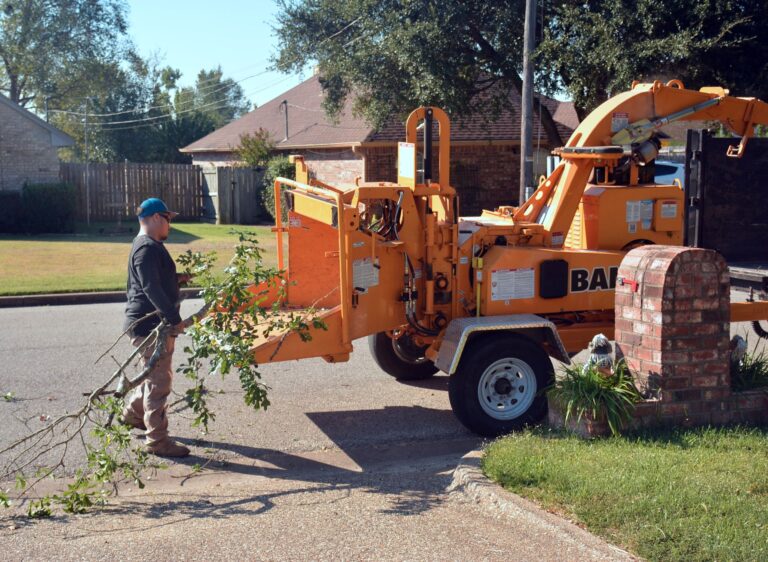
Mow the lawn, trim shrubs and overgrown tree branches and make improvements to the landscaping.
If the house number or mailbox is worn out, replace or repaint them. Make sure there is sufficient exterior lighting. Clean gutters and downspouts, and if there is a fence, make sure it is in top condition.
Final Thoughts
Getting your property back on the market shortly after a tenant moves out requires careful planning and attention to detail. It is routine tasks like this, done over and over again, that make the difference between a rental with mediocre profits and one that performs well.
However, it is important to note that these steps alone will not prevent your rental from sitting empty for a long time.
You must also set a competitive rental rate, pay attention to marketing, and create a robust, transparent, and compliant tenant screening system. Yourway Properties, Inc. can help you get your rental on the right track.
Frequently Asked Questions About Rent-Readiness
How Should Rochester Landlords Budget For Rent-Readiness?
We recommend separating predictable turnover expenses from larger, property-specific repairs when creating a rent-ready budget.
Recurring costs can include cleaning, touch-up painting, landscaping, lock changes or rekeying, and routine maintenance, while inspections may uncover additional needs involving appliances, plumbing, HVAC systems, or other components.
Reviewing previous turnover expenses can also give investors a better basis for planning reserves and deciding which improvements deserve attention.
What Should A Rent-Ready Checklist Include?
We recommend creating a checklist that evaluates the property from the exterior through every major interior system. This can include walls and flooring, plumbing fixtures, electrical components, appliances, heating and cooling equipment, windows and doors, locks, lighting, stairs and handrails, smoke and carbon monoxide alarms, exterior areas, and landscaping.
We also separate necessary repairs from cleaning, preventive maintenance, and optional upgrades. Documenting the work as it is completed helps keep the turnover organized and gives owners a clearer picture of where their rental property dollars are being spent.
Which Rent-Ready Improvements Are Most Worth The Cost?
We typically recommend addressing deferred maintenance and worn finishes before investing in larger renovations. Depending on the property, relatively straightforward improvements can make the property feel more inviting without requiring a major renovation.
For larger projects, we evaluate the property’s condition, rental positioning, and overall investment strategy before recommending the work. An improvement should have a practical purpose and make sense for the individual property rather than being completed simply because the previous tenant moved out.
What Should Rochester Landlords Know About Rent-Ready Compliance?
For Rochester rental properties, we recommend reviewing applicable city requirements as part of the turnover process rather than treating compliance as a separate issue.
Depending on the property, owners may need to consider Certificate of Occupancy requirements, property-maintenance standards, lead-safety requirements, smoke and carbon monoxide alarm requirements, and other applicable regulations.
When a question involves legal interpretation or a property’s specific compliance status, we recommend confirming the requirement with the appropriate local authority or qualified professional.
When Should A Landlord Bring In A Professional For Rent-Ready Work?
We recommend bringing in qualified professionals when turnover work involves specialized knowledge, equipment, permits, or technical expertise. Significant electrical or plumbing work, HVAC repairs, structural concerns, and projects that may affect code compliance are examples where professional assistance may be appropriate.
Professional coordination can also be valuable for owners who manage multiple rentals or live outside the Rochester area.
How Can A Property Manager Help With Rent-Readiness?
We can help coordinate the moving parts of a rental turnover, including evaluating the property’s condition, organizing necessary maintenance, coordinating cleaning and improvements, and preparing the property for marketing.
This can be particularly helpful for investors with multiple properties or owners who are not available to oversee turnover work themselves.
At Yourway Properties, Inc., our property management services include support related to maintenance, contracting, remodeling, and cleaning.
Our goal is to help owners maintain an organized turnover process while keeping the property’s condition, leasing objectives, and investment strategy in focus.